February 9, 2026
In today's competitive business environment, maintaining a safe and efficient workplace is paramount. One often overlooked but essential component of this is the role a reliable commercial electrician plays in ensuring all electrical aspects of a business are running smoothly. This article explores the multifaceted reasons why every business should prioritize having a dependable commercial electrician as part of their operational strategy. The modern business landscape relies heavily on electrical systems, making it crucial to integrate expert electrical oversight into daily operations. By doing so, businesses can ensure compliance with regulations, enhance energy efficiency, and maintain continuity and safety.
Understanding the Role of a Commercial Electrician
Scope of Work
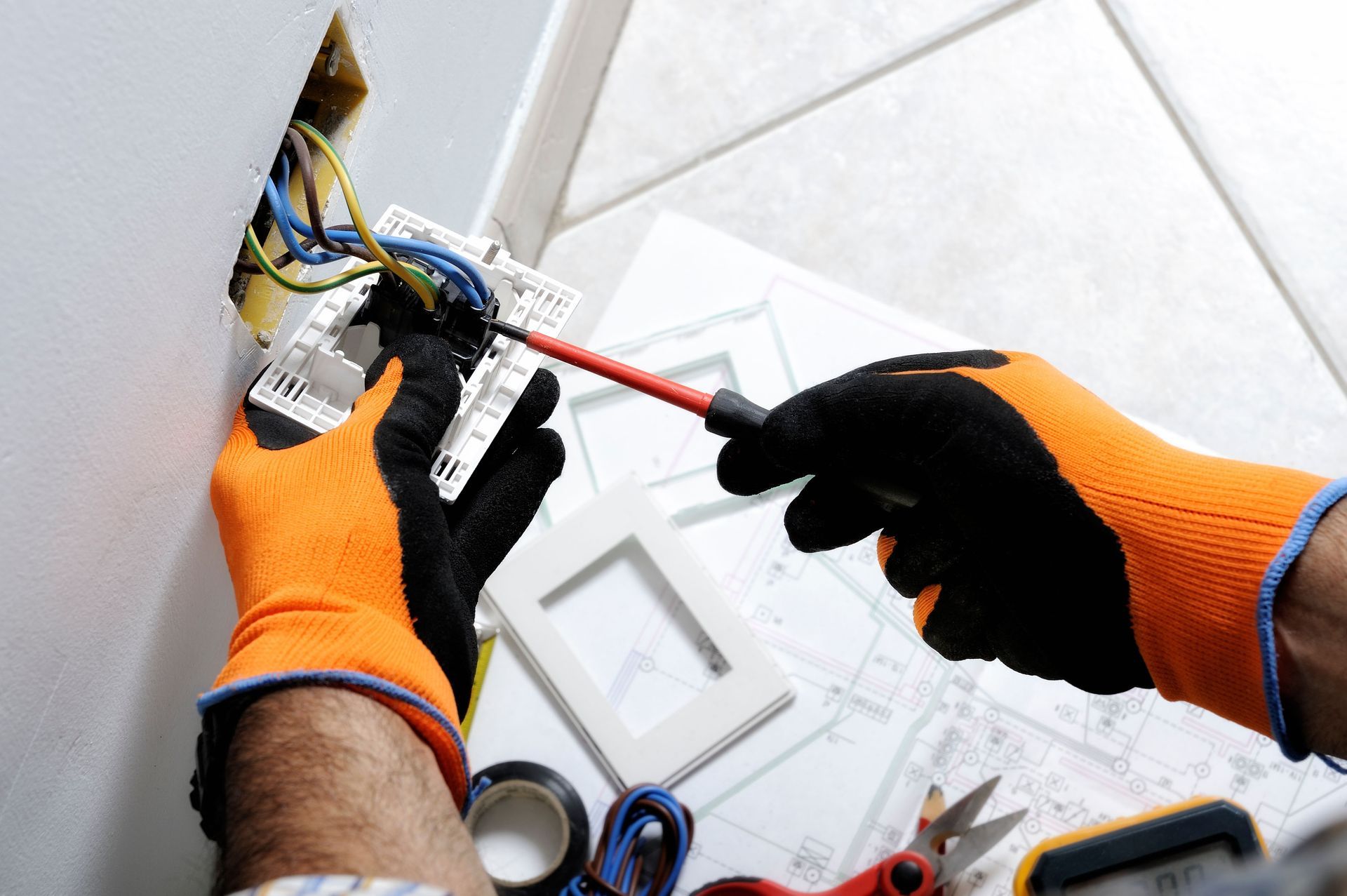
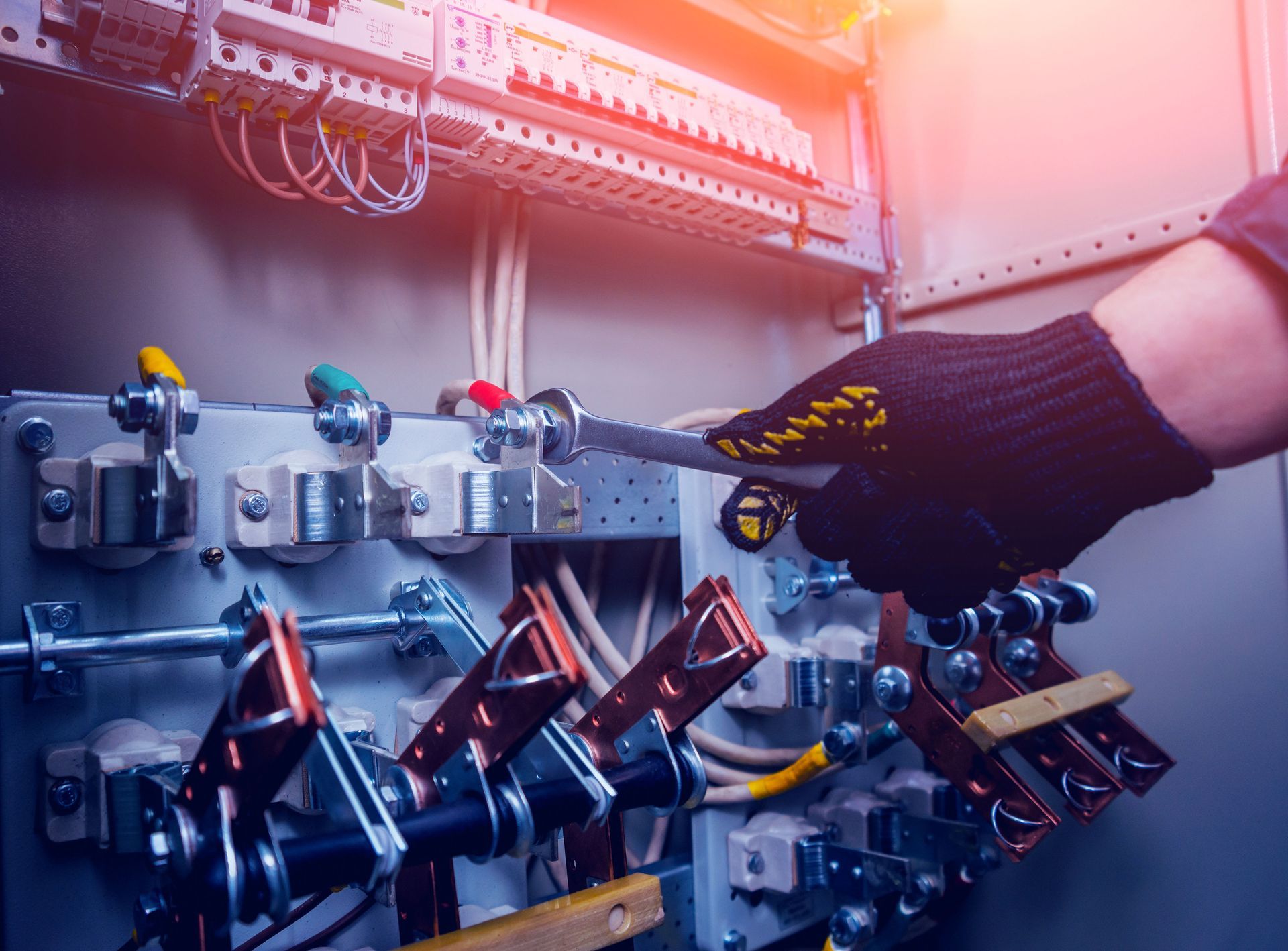
Commercial electricians are professionals who specialize in the installation, maintenance, and repair of electrical systems in commercial buildings. Their scope of work involves various tasks such as electrical wiring, installing electrical components, troubleshooting electrical systems, and more. Unlike residential electricians, commercial electricians deal with larger and more complex electrical systems. Their expertise ensures that all electrical aspects of a business are safe, efficient, and compliant with codes. Their role is critical to maintaining the functionality of a business's infrastructure, which in turn impacts productivity and safety.
One of their primary responsibilities is the installation of electrical systems in new commercial constructions. This entails planning and designing electrical systems that meet the specific needs of the business and comply with all necessary regulations. Additionally, commercial electricians provide ongoing maintenance services to ensure that electrical systems remain in optimal condition. They regularly inspect systems, perform maintenance work, and address any potential issues before they escalate into significant problems. Such proactive measures can significantly reduce downtime and improve the lifespan of electrical systems.
According to the National Electrical Contractors Association (NECA), there are more than 70,000 electrical contracting firms and 650,000 electrical workers in the US. This statistic highlights the substantial presence and importance of skilled professionals in the electrical industry. These professionals are indispensable to the fabric of commercial operations, ensuring that businesses can function safely and effectively. By employing a reliable commercial electrician, businesses gain access to the expertise and support necessary to navigate the complexities of modern electrical demands.
Key Skills and Qualifications
Professional commercial electricians are required to possess a range of skills and qualifications to effectively perform their duties. Chief among these is a comprehensive understanding of electrical theory and practical application. This knowledge is generally acquired through a combination of formal education, such as a degree or diploma in electrical engineering, and hands-on training, such as apprenticeships. Electricians must also stay updated on technological advancements and changes in electrical codes and standards. This commitment to continuous learning ensures that they remain proficient and adaptable in their roles.
Moreover, commercial electricians need to possess strong problem-solving skills and attention to detail. These attributes are essential when dealing with the intricate and potentially hazardous nature of electrical systems. A keen eye for detail allows electricians to identify and rectify problems efficiently, preventing potential safety hazards or operational disruptions. Problem-solving skills enable them to devise solutions that maintain system integrity and compliance. Additionally, excellent communication skills are vital, as electricians must often collaborate with other professionals, such as engineers and architects, to achieve successful project outcomes.
Lastly, many jurisdictions require commercial electricians to hold valid licenses and certifications. These credentials serve as proof of their expertise and adherence to industry standards. Obtaining a license typically involves passing rigorous examinations and fulfilling applicable requirements, which may include a specific number of work hours or completion of an apprenticeship program. Once licensed, electricians must regularly renew and update their certifications to stay compliant with local and national regulations. This diligence reassures businesses that their electrical needs are being handled by qualified and trustworthy professionals.
Differences Between Residential and Commercial Electricians
While both residential and commercial electricians perform similar fundamental tasks, their areas of expertise and focus differ significantly. Residential electricians primarily work on homes and small apartment complexes, handling tasks such as installing lights, repairing outlets, and managing household electrical systems. Conversely, commercial electricians operate in larger, more intricate environments like office buildings, retail centers, and manufacturing facilities. These environments require comprehensive knowledge of industrial systems and adherence to stricter regulations and standards.
One major difference between the two lies in the complexity and scale of electrical systems they work on. Commercial electricians are trained to handle higher voltage systems and intricate circuit designs that cater to substantial power needs. They must also be adept at navigating the challenges that come with varied commercial settings, which often involve different electrical requirements and infrastructure considerations. This level of complexity requires specialized training and experience, emphasizing the importance of hiring an electrician with a commercial focus for business operations.
Another key distinction is the objective when addressing electrical systems. While residential electricians aim to ensure safety and comfort within homes, commercial electricians focus on maximizing efficiency, reliability, and compliance to support business operations. This efficiency is vital in minimizing energy costs and ensuring uninterrupted work processes. Commercial systems are built to sustain high-powered equipment and handle significant electrical loads, necessitating continuous monitoring and maintenance by specialists skilled in commercial applications.
Importance of Specialized Training
Specialized training plays a crucial role in preparing commercial electricians to manage the distinct challenges presented by complex electrical systems in business environments. Unlike residential settings, where electrical demands are typically straightforward, commercial settings can present a diversity of power requirements, equipment, and system designs. Therefore, specialized training equips electricians with a deeper understanding of industrial and commercial electrical frameworks and enhances their problem-solving abilities. This training often extends to emerging technologies, ensuring that electricians can advise businesses on integrating new and effective electrical solutions.
Moreover, sector-specific training exposes electricians to the regulatory landscape affecting commercial operations. Understanding the nuances of local and national codes is imperative for ensuring compliance and avoiding legal issues. Electricians are trained to keep abreast of evolving regulations and implement necessary changes promptly, highlighting their critical role in maintaining legal and operational standards. By being well-versed in regulations, electricians can identify potential compliance or safety concerns and address them before they become significant problems.
This training extends beyond initial qualifications, emphasizing the importance of continuous professional development. Seminars, workshops, and advanced certifications help commercial electricians maintain an edge in the rapidly evolving electrical industry. By investing in their ongoing training, electricians remain capable of handling diverse and advanced technological systems that are increasingly prevalent in modern commercial settings. Consequently, businesses benefit from having expert support in adapting to technological and regulatory shifts which could impact their operations.
Finding the Right Fit for Your Business
Securing a reliable commercial electrician who aligns with a business's needs is crucial for ensuring seamless operations and long-term success. The selection process begins with identifying the specific electrical requirements and objectives pertinent to the business. Establishing a list of criteria will help guide the search for an electrician or contracting firm that matches the business's scale, industry, and operational demands. For instance, businesses in the manufacturing sector may require an electrician with expertise in heavy machinery and high-voltage systems.
Beyond technical proficiency, evaluating potential electricians for their approach to customer service and communication is vital. Successful collaborations hinge on clear communication and a strong understanding of client expectations. Electricians with good interpersonal skills can effectively convey technical information, project timelines, and service commitments. Moreover, seeking references and reviews from other businesses can provide insights into the electrician's reliability, quality of work, and responsiveness to client needs. Be sure to reach out to Blue State Electric LLC today for more information on our professional commercial electrician !