January 11, 2026
In today's world, a reliable electrical system is essential for maintaining daily routines and ensuring safety within our homes and businesses. While some minor electrical tasks can be handled by experienced DIY enthusiasts, certain issues are best left to your local professional electrician. Below, you'll see the dangers of tackling complex electrical problems on your own and the key issues that require the expertise of a licensed electrician. From understanding complex wiring installations to managing emergency situations, electricians have the training and experience needed to handle situations that could otherwise turn dangerous or illegal if improperly managed. Recognizing the limits of DIY capabilities and entrusting complex tasks to professionals can prevent property damage, safety hazards, and compliance issues. Here are four key issues you should always let a professional handle instead of attempting DIY methods.
1. Complex Wiring Installations
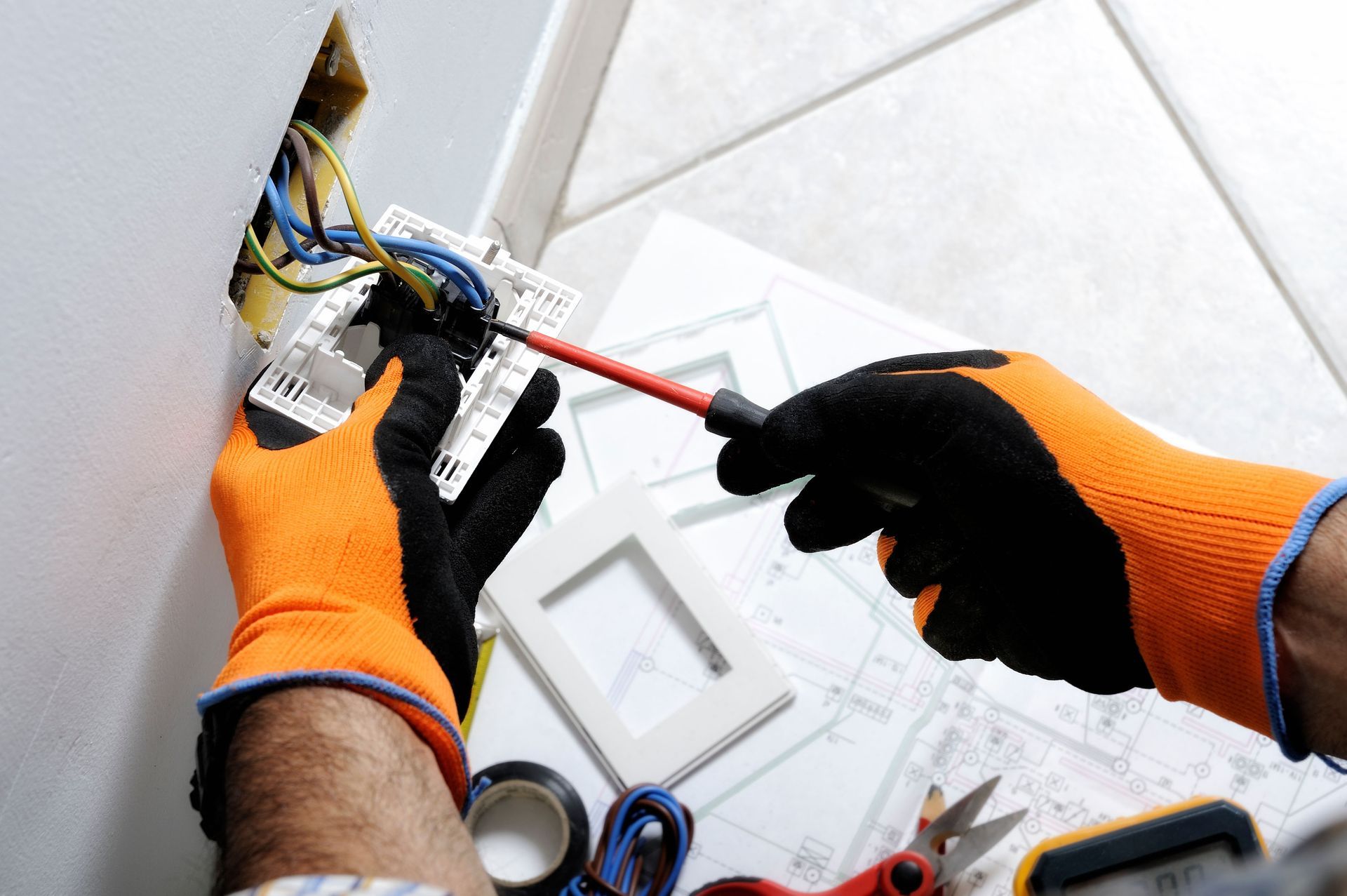
Complex wiring installations are not just about connecting wires from one point to another; they involve reading and interpreting intricate electrical blueprints. These blueprints ensure that the installations are carried out correctly, efficiently, and safely. A professional electrician, with years of training, understands how to make sense of these complex diagrams, ensuring that all wiring is installed according to the specific requirements of a building. Without this aptitude, a property owner might misinterpret plans, leading to dangerous wiring errors. The ability to read and accurately interpret plans translates to a more efficient and safer electrical system.
Another critical factor in complex installations is adhering to local codes and regulations. Every locale has specific building codes designed to ensure safety and legality in electrical installations. A professional electrician will stay updated on these evolving codes, which helps them ensure that a property complies with all legal requirements. Non-compliance not only poses safety risks but can lead to legal ramifications, including fines and mandated corrective work. Therefore, hiring a professional ensures that all installations meet the necessary legal standards, enhancing the safety and security of the installation.
In addition to understanding codes and plans, professionals also expertly handle different types of wiring. Different applications require specific wires, such as Romex or THHN, and using the wrong type can lead to inefficiencies or hazards. Electricians possess the knowledge to choose and install the appropriate wiring types based on the application and environment. This expertise prevents circuit overloads and reduces the risk of overheating and fire, maintaining an efficient and safe electrical system. Proper wiring choices contribute to a long-lasting and hazard-free electrical infrastructure.
2. Circuit Breaker Issues
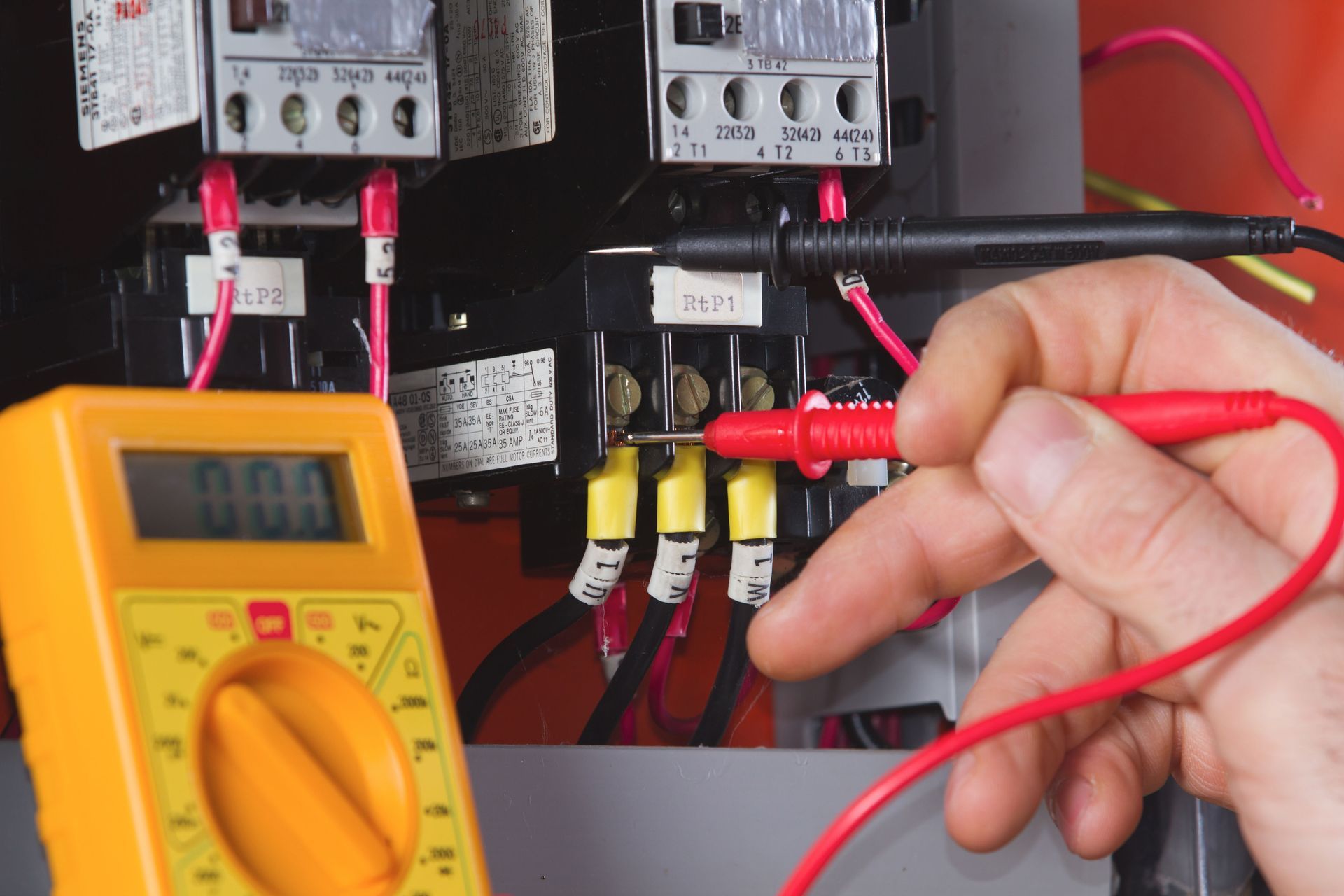
Circuit breakers are essential safety devices, preventing overcurrent that could otherwise cause hazardous conditions. Frequent tripping of circuit breakers can indicate severe underlying problems, such as overloaded circuits, short circuits, or ground faults. A professional electrician will be equipped to accurately diagnose these issues, identifying the root causes and ensuring that solutions are both effective and safe. By addressing these issues promptly, homeowners can avoid potential fire hazards and electrical failures. According to the Electrical Safety Foundation International, around 51,000 electrical home structure fires occur per year, underscoring the importance of professional intervention.
Replacing faulty breakers is another task that requires the expertise of a seasoned professional. Breakers ensure that electrical flow is controlled and distributed safely, and a malfunctioning breaker jeopardizes this safety net. Electricians have the proper tools and knowledge to identify and safely replace faulty breakers. Attempting DIY repairs on these devices can lead to further damage or even personal injury due to the complexity and risks involved. Professionals replace breakers efficiently, ensuring the integrity and safety of your electrical system.
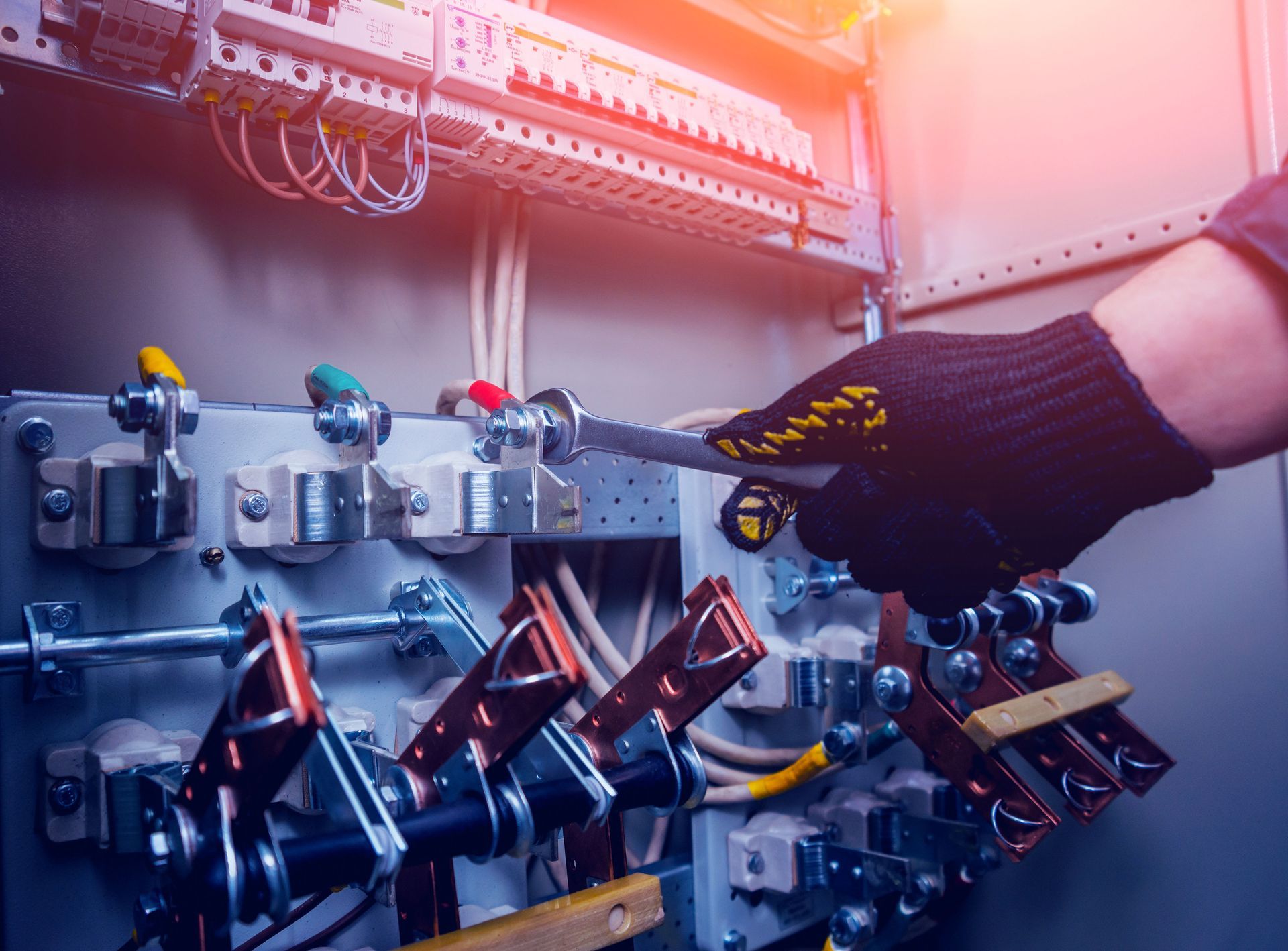
Upgrading electrical panels is a substantial undertaking that requires informed decision-making and exacting precision. As household energy consumption grows, existing panels may become insufficient, leading to circuit overloads. Upgrading panels enhances the capacity and safety of an electrical system, accommodating increased energy demands. Electricians assess the existing systems and recommend the appropriate upgrades, ensuring that the installation meets all electrical codes and regulations. A professional upgrade ensures future safety and accommodates advances in technology and energy use.
3. Safety Inspections and Code Compliance
Conducting thorough safety inspections is vital for uncovering hidden dangers within an electrical system. Professional electricians are trained to spot potential hazards that might not be apparent to untrained eyes, like subtle signs of wear or code violations. These inspections involve meticulously assessing each component and connection to ensure that everything meets safety standards. Electricians provide valuable insights and recommendations for addressing any issues found during inspections, contributing to improved safety. Regular professional inspections are crucial for maintaining a system that is both secure and efficient over the long term.
Ensuring code compliance is not just important for legality but is integral to the safety of any electrical system. Codes exist to protect individuals and properties by mandating safety practices and quality standards. Violations of these codes can introduce safety hazards and result in significant legal liabilities. A professional electrician will ensure that your electrical installations and systems meet all relevant codes and regulations. This compliance safeguards against potential failure points that could lead to electrical hazards or necessitate costly corrective work.
Implementing energy efficiency measures is a critical aspect of modern electrical systems. Professional electricians recommend upgrades and modifications that reduce energy consumption, enhance performance, and increase safety. Such measures might include using energy-efficient appliances, installing advanced lighting systems, or making improvements to electrical infrastructure. Energy efficiency not only reduces utility bills but also minimizes environmental impact, aligning with broader sustainability goals. By improving efficiency, electricians help to optimize system performance while maintaining safety and compliance.
4. Emergency Situations and Repairs
Emergency situations, such as unexpected power outages, require a rapid and knowledgeable response to avoid prolonged disruptions. Professional electricians have the expertise to quickly diagnose and repair issues causing outages, restoring power and functionality. Their experience allows them to identify root causes and implement effective solutions, minimizing downtime and potential damage. In emergency scenarios, having access to a skilled electrician is vital for restoring order and safety. Quick resolution by professionals helps prevent escalation and mitigate associated risks.
Repairing storm damage to electrical systems is a critical task best left to professionals. Storms can cause extensive damage to infrastructure, from downed power lines to water intrusion into electrical systems. Electricians possess the training to assess and repair these damages safely, mitigating further risks. They implement repairs that restore system integrity and prevent future issues. Addressing storm damage promptly and professionally is key to ensuring ongoing reliability and safety.
Handling electrical fires is an emergency scenario that necessitates professional intervention to prevent and mitigate ensuing hazards. Electricians are trained to safely address the causes of electrical fires and implement solutions that prevent recurrence. By ensuring proper installations, maintenance, and system upgrades, professionals help reduce the risk of electrical fires. Professional oversight in managing electrical systems is essential for reducing fire risks and ensuring occupant safety.
While some DIY enthusiasts may feel tempted to tackle electrical issues, many tasks require the seasoned expertise of a professional electrician. From ensuring compliance with electrical codes to handling high-voltage systems and responding to emergencies, the right professional can prevent hazards and ensure the longevity and safety of your electrical systems. It's important to recognize the boundaries of DIY projects and trust licensed electricians with complex and dangerous electrical work. Professionals are equipped with the training and experience necessary to manage the complexities and hazards associated with electrical systems, ensuring safe and reliable operations. Ultimately, engaging a professional electrician is an investment in safety, compliance, and peace of mind. Contact Blue State Electric LLC today to learn more.