April 2, 2026
Electrical compliance also directly impacts business efficiency and cost-effectiveness. Outdated wiring, improper grounding, or incorrectly labeled panels are common violations that can result in safety risks, fines, and unexpected interruptions. Certified electricians identify and resolve these issues before they escalate, providing tailored solutions that balance safety, regulatory requirements, and operational needs. With their guidance, businesses can establish a culture of compliance, maintain system reliability, and protect both their workforce and bottom line.
Understanding Electrical Compliance Requirements
Electrical compliance encompasses a range of regulations that businesses must adhere to at local, state, and federal levels. These laws are designed to ensure that electrical systems are safe, efficient, and do not pose hazards to personnel or property. The National Electrical Code (NEC) is a widely adopted standard that outlines the guidelines for safe electrical design, installation, and inspection. Compliance with these regulations helps prevent accidents, property damage, and ensures the continuity of business operations. Commercial electricians are well-versed in these regulations and assist businesses in understanding and applying them correctly.
Electrical compliance can vary significantly across different industries due to specific operational requirements and risks. For instance, healthcare facilities have stringent electrical standards to ensure the reliability of life-saving equipment. Meanwhile, in the manufacturing sector, compliance focuses on preventing electrical hazards in complex machinery and production lines. Understanding these industry-specific requirements is essential for businesses to remain compliant. Electricians bring valuable expertise and insights into how to address these unique challenges efficiently.
Adhering to electrical compliance is not just about avoiding penalties; it is critical for safeguarding business operations. Non-compliance can result in power outages that disrupt operations, as seen in data centers where downtime costs average $740,357 per incident, according to Trystar. Maintaining compliance minimizes these risks and ensures smooth, uninterrupted business activities. Furthermore, compliance enhances safety for employees and customers, building trust and brand reputation. Businesses that prioritize compliance also benefit from insurance advantages and better regulatory relations.
Despite the importance of compliance, many businesses encounter frequent violations that can jeopardize their operations. Common issues include outdated wiring systems, improper grounding, and insufficient or incorrect labeling of electrical panels. These violations can result from a lack of awareness or understanding of current regulations. Commercial electricians regularly identify and rectify such issues through thorough inspections and proactive measures. By addressing these common violations, businesses can significantly reduce the risks of accidents and regulatory penalties.
Electricians are vital in ensuring businesses meet their electrical compliance obligations. Their expertise allows them to provide comprehensive solutions tailored to each business's specific needs. They conduct detailed inspections, upgrade systems, and implement preventative maintenance schedules that mitigate compliance risks. Beyond technical expertise, electricians also offer valuable guidance and training to help businesses understand and internalize compliance requirements. Their role is crucial in creating a culture of compliance that prioritizes safety and efficiency.
Conducting Compliance Inspections
Before formal compliance inspections, pre-evaluation assessments are crucial in identifying potential issues. These evaluations help businesses understand their current compliance status and prepare for upcoming inspections. Commercial electricians play a key role in these assessments, providing insights into areas needing improvement. They use a range of tools and techniques to evaluate electrical systems, identifying potential hazards before they become serious compliance violations. By addressing these issues early, businesses can avoid costly fines and operational disruptions during actual inspections.
Regular electrical inspections are essential for ongoing compliance and safety. The standard frequency for these inspections varies depending on industry-specific needs and regulatory standards. Most commercial settings require annual or biannual inspections to ensure all electrical systems remain compliant. Commercial electricians schedule and conduct these inspections, providing detailed reports on their findings and recommendations. Regular inspections not only help businesses maintain compliance but also enhance the longevity and reliability of their electrical systems.
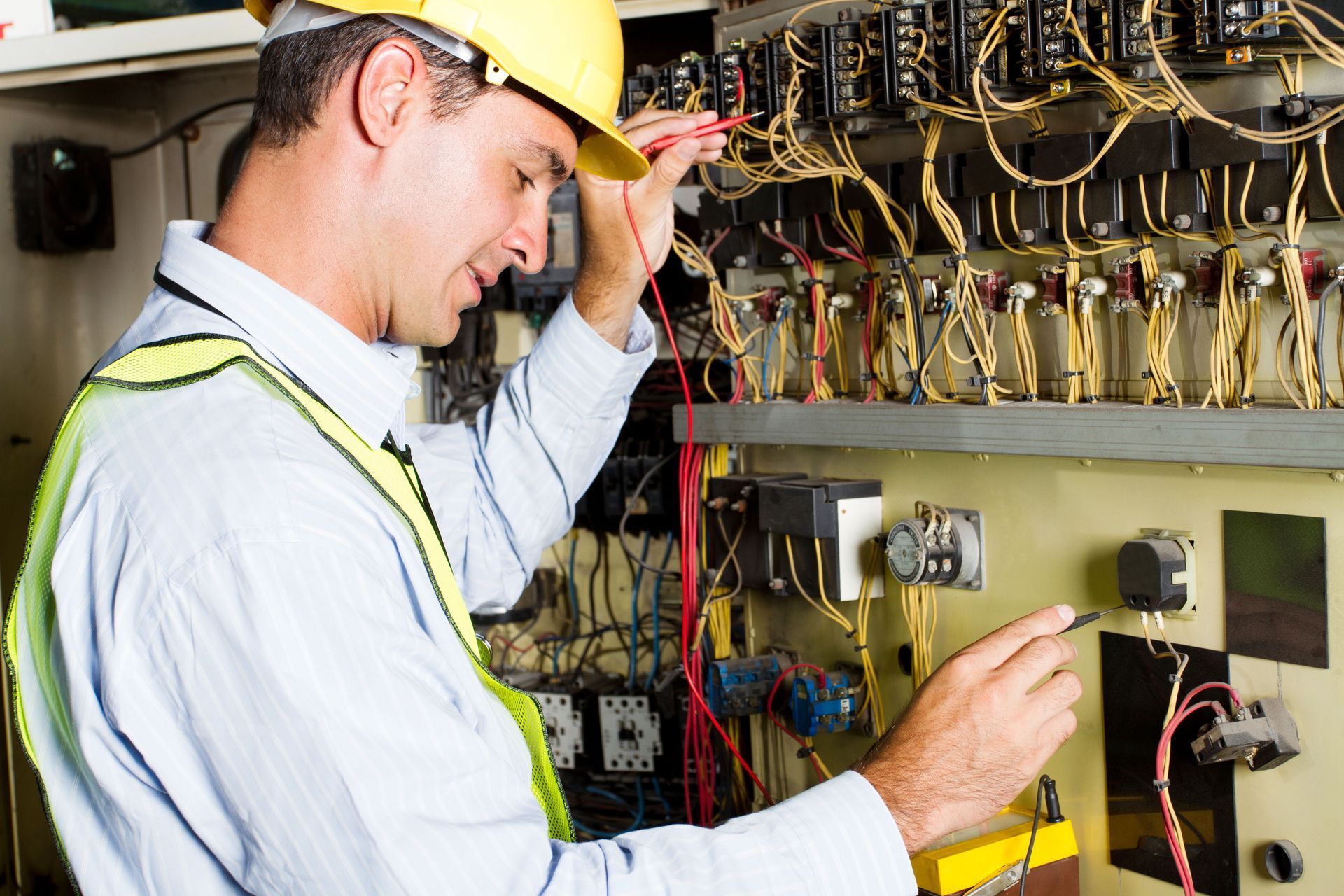
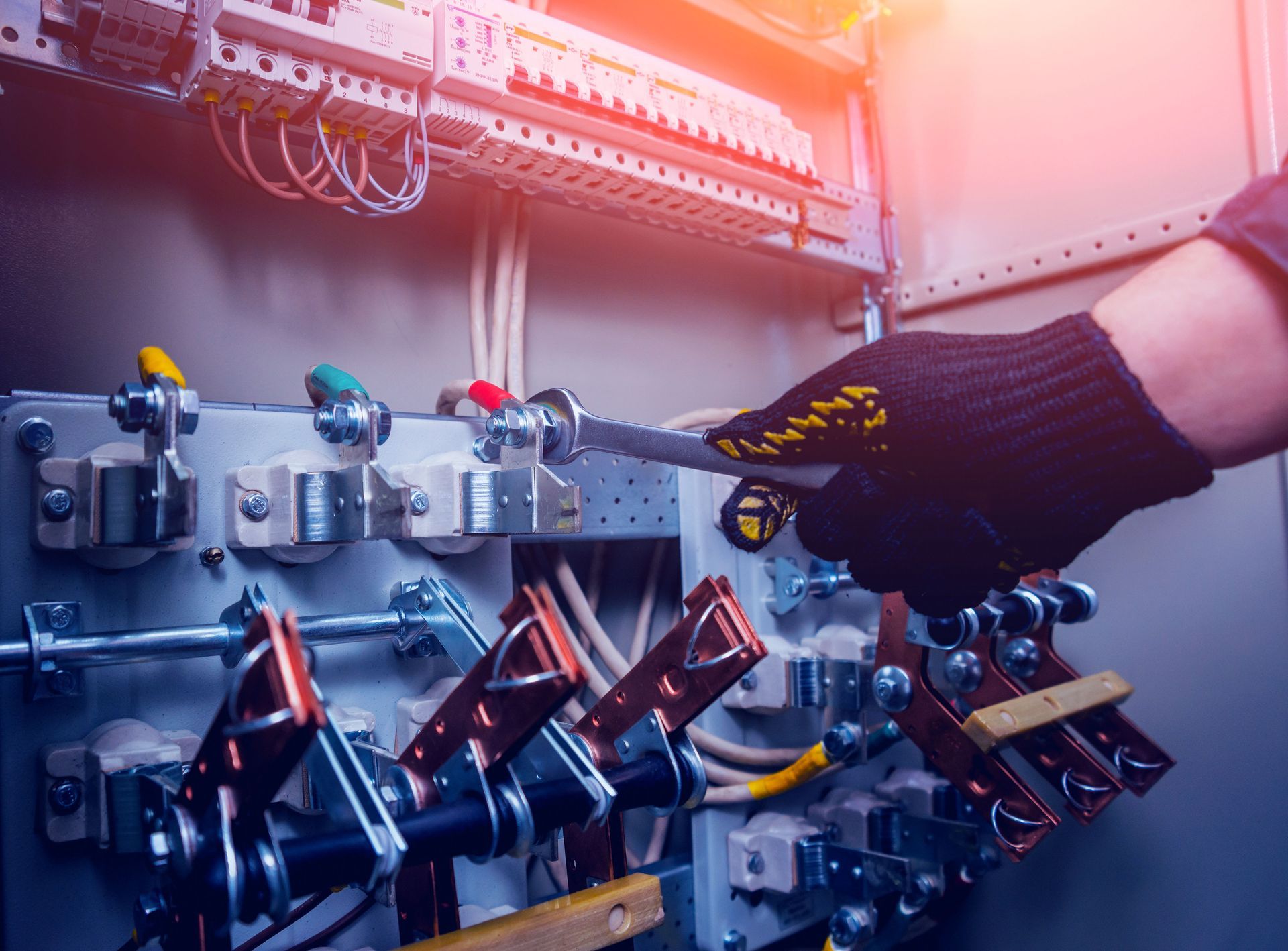
The inspection process conducted by electricians is thorough and methodical, designed to uncover compliance issues. It begins with a visual inspection of electrical components to identify any obvious defects or misuse. Electricians then conduct detailed testing of system performance, ensuring all components meet safety standards. They assess the adequacy of circuit protection, inspect grounding and bonding, and evaluate the overall condition of wiring systems. The data collected during inspections form the basis for detailed reports and compliance recommendations. Through this meticulous approach, electricians ensure all potential hazards are identified and addressed promptly.
During inspections, electricians focus on identifying potential electrical hazards and compliance gaps. These include exposed wiring, overloaded circuits, and faulty equipment that could pose serious risks. Identifying such hazards is crucial to preventing incidents that could lead to significant downtime or even accidents. Electricians use tools such as infrared thermography to detect problems that are not visible to the naked eye. Addressing these hazards not only ensures compliance but also enhances workplace safety and operational efficiency.
Upgrading Electrical Systems
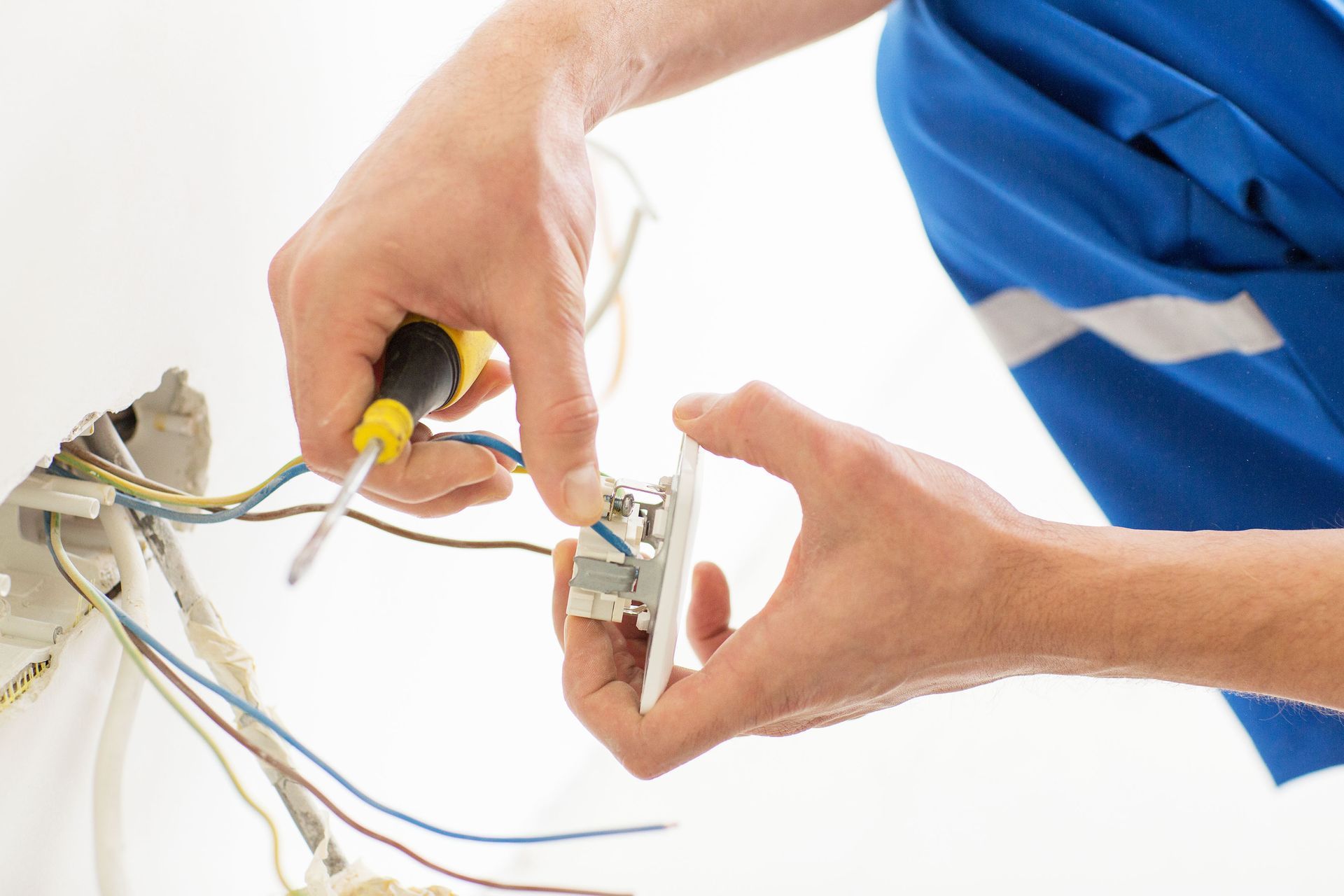
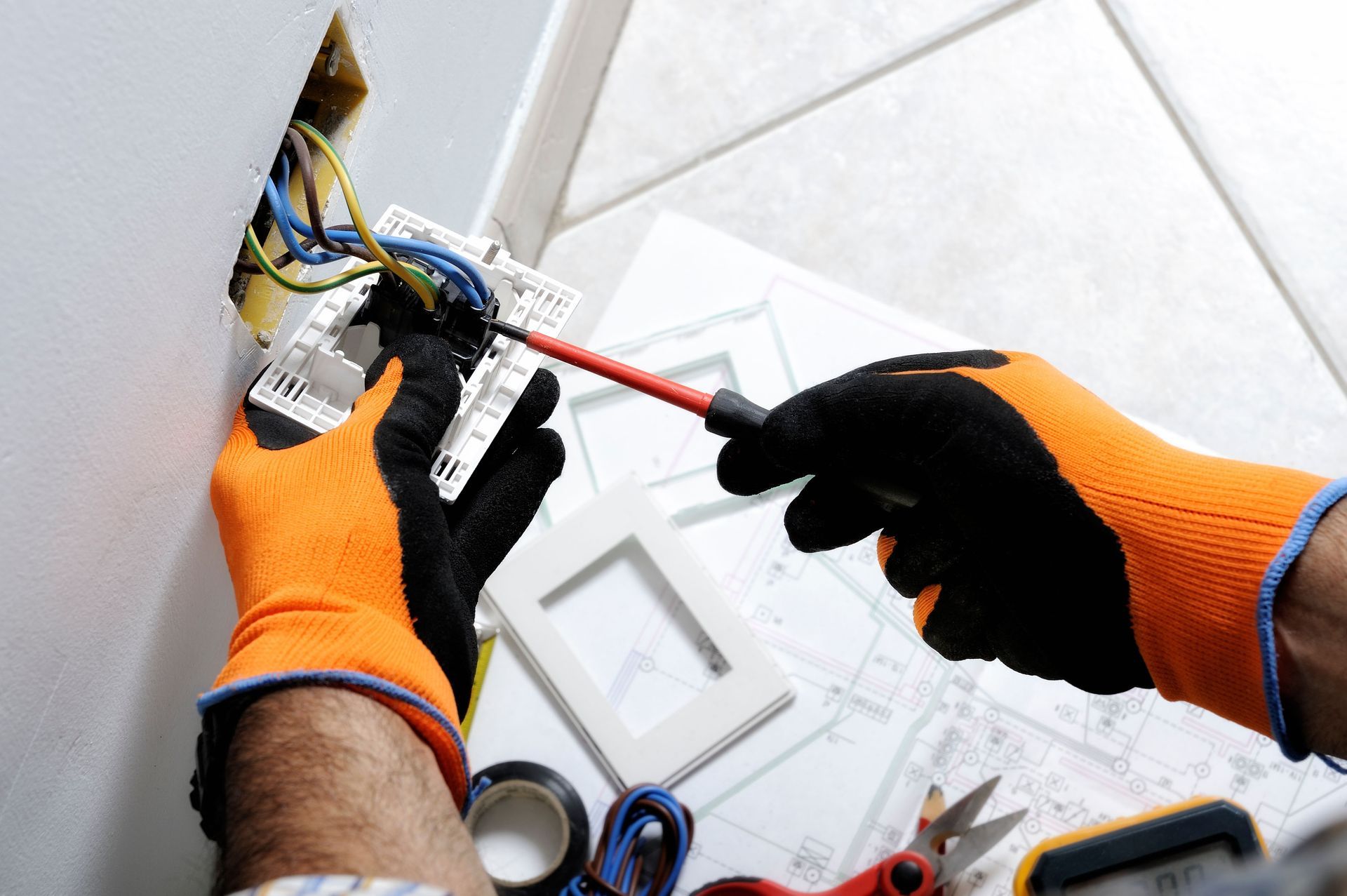
To maintain compliance, businesses must evaluate the condition of their electrical systems and identify necessary upgrades. Outdated systems may not meet current regulatory standards and pose safety risks. Commercial electricians assess existing setups, identifying components that require immediate attention or replacement. Through this process, electricians ensure that businesses not only meet compliance standards but also operate with greater efficiency. Upgrading electrical systems is an investment in the organization's future safety, reliability, and cost-effectiveness.
Advancements in technology provide new opportunities for businesses to enhance compliance and operational performance. Modern electrical systems incorporate features such as energy efficiency, reliability, and ease of monitoring. Commercial electricians help businesses adopt these technologies, ensuring seamless integration with existing systems. The adoption of new technologies not only improves compliance but also adds to the organization's competitive edge. By staying abreast of technological innovations, electricians provide businesses with solutions that future-proof their operations.
Energy efficiency is a significant consideration in meeting compliance standards and achieving cost savings. Many regulations are designed to promote the efficient use of energy resources in commercial settings. Electricians play a pivotal role in designing systems that maximize energy efficiency while adhering to regulatory requirements. This can include the installation of energy-efficient lighting, upgrading to advanced HVAC systems, and using smart technologies to monitor usage. In doing so, businesses not only ensure compliance but also reduce operational costs and enhance sustainability.
Balancing the need for compliance upgrades with budget considerations can be challenging for businesses. However, electricians help navigate this by identifying cost-effective solutions that do not compromise on safety or compliance. Strategic planning and phased implementations allow businesses to upgrade their systems gradually, spreading out the financial impact. Electricians evaluate the return on investment for different upgrade options, ensuring that businesses make informed decisions. By effectively managing costs, businesses can maintain robust compliance programs without overextending their budget.
Maintaining electrical compliance is not just a legal requirement—it is a strategic investment in safety, efficiency, and long-term operational success. Regular inspections, timely system upgrades, and adherence to industry standards reduce risks, prevent costly downtime, and ensure that businesses operate smoothly. Commercial electricians bring the expertise, tools, and knowledge needed to navigate the complex compliance landscape while implementing practical, cost-effective solutions.
Ensure your business stays safe, efficient, and fully compliant. Schedule a consultation with Blue State Electric LLC today and protect your operations from hazards, regulatory issues, and costly interruptions. Trust the experts to keep your electrical systems compliant and your workplace secure.