May 28, 2026
Complex electrical installations require precision, planning, and extensive technical knowledge to ensure systems operate safely and efficiently. From residential upgrades to large commercial projects, electrical work involves far more than connecting wires and installing outlets. Every project must meet strict safety regulations, support long-term performance, and adapt to future electrical demands.
Modern buildings rely heavily on dependable electrical systems to power appliances, lighting, communication networks, and security features. Improper installation can lead to safety hazards, energy inefficiency, and expensive repairs. This is why homeowners and businesses rely on professional electricians to manage complicated projects with accuracy and attention to detail. Their expertise helps ensure installations remain compliant, reliable, and capable of supporting modern electrical requirements. Understanding how these specialists approach complex installations highlights the importance of skilled electrical work in today’s world.
Understanding Electrical Systems
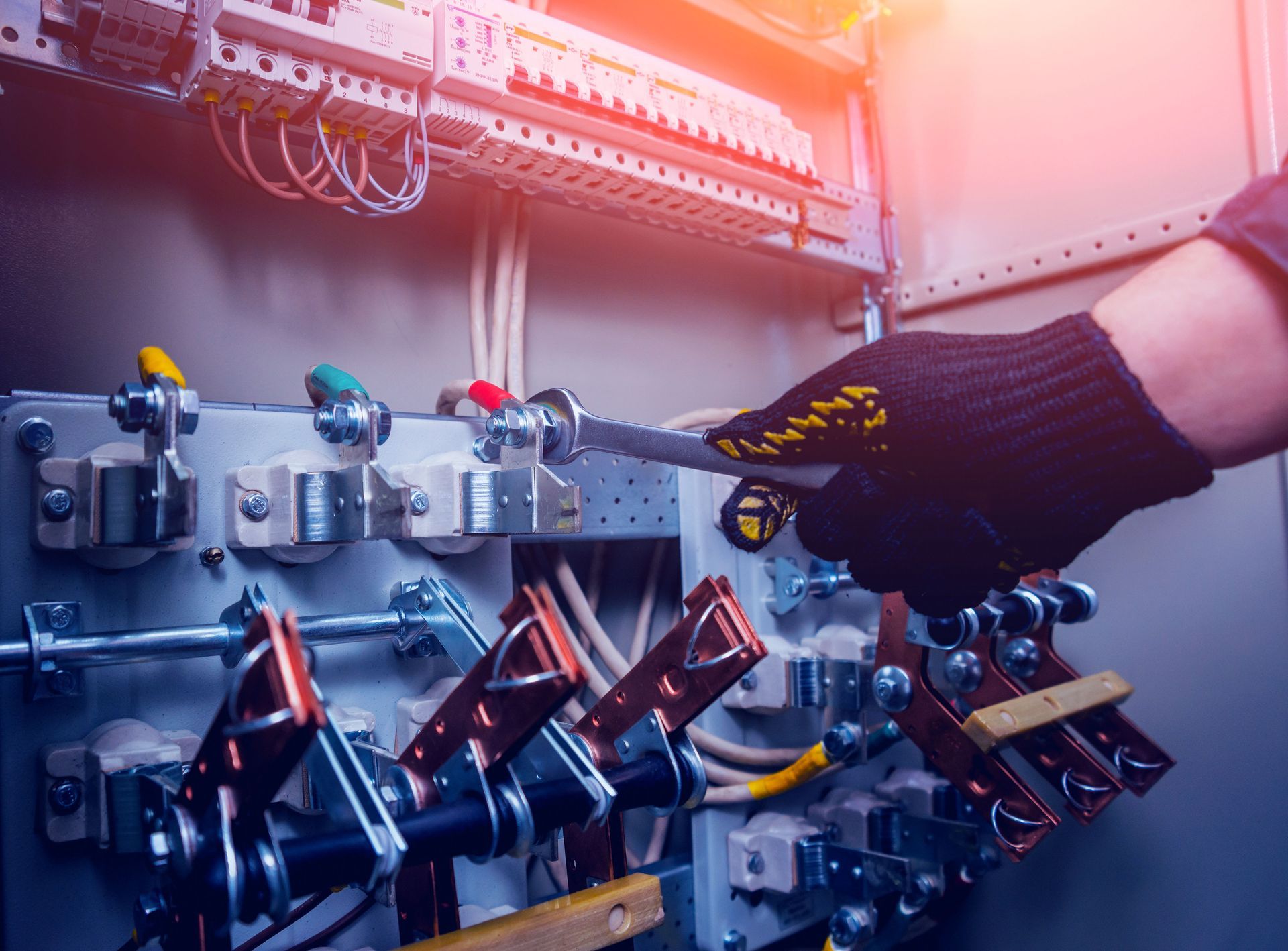
Electrical systems consist of interconnected components designed to distribute electricity safely throughout a property. Wiring, circuit breakers, transformers, and electrical panels all work together to support daily operations and energy usage. Understanding how these components interact is essential for preventing overloads, equipment failures, and safety hazards. Skilled technicians must evaluate how power flows through a system before beginning any installation work. Professional electricians use their technical knowledge to design systems that balance efficiency with reliability. They also identify opportunities to improve performance while reducing unnecessary energy consumption. According to the EPA, residential, commercial, and industrial customers each account for about one-third of the nation’s electricity use, demonstrating the wide scope of electrical demands across different sectors. This broad responsibility requires electricians to remain highly knowledgeable about evolving technologies and modern energy requirements.
Circuit design also plays a major role in successful installations and long-term functionality. Properly designed circuits help distribute electricity evenly while supporting both current and future power demands. Electricians must carefully plan layouts to ensure systems can handle modern appliances, lighting systems, and digital technologies. Advanced planning reduces the likelihood of overloads, interruptions, and expensive future upgrades. Professional electricians often incorporate scalable solutions that allow for easier expansion as electrical needs increase over time. Careful system planning ensures electrical infrastructure remains safe, dependable, and adaptable for years to come.
Pre-Installation Planning and Assessment
Successful electrical installations begin with detailed planning and thorough site assessments. Before any work starts, electricians evaluate the physical environment and determine the specific requirements of the project. Site surveys help identify structural limitations, existing wiring conditions, and potential safety concerns that could affect installation procedures. Professional electricians rely on these assessments to prevent delays and reduce unexpected complications during the installation process. Understanding the layout of a building also helps ensure efficient placement of panels, outlets, fixtures, and wiring systems. Careful preparation minimizes disruptions and supports smoother project execution from beginning to end. Thorough planning remains one of the most important elements of a successful electrical installation.
Early identification of these obstacles allows technicians to create strategies that minimize delays and control costs. Resource planning is equally important because installations require the right materials and equipment to maintain efficiency and reliability. Scheduling must also coordinate with other contractors involved in construction or renovation projects. Professional electricians communicate closely with builders, HVAC specialists, and other trades to ensure all systems integrate correctly. Risk assessments further support safety by identifying hazards that could endanger workers or occupants during installation. This proactive approach helps maintain project timelines while protecting everyone involved in the process.
Adhering to Regulations and Standards
Electrical regulations and safety standards exist to protect both property owners and workers from serious hazards. Every installation must comply with national, state, and local codes designed to ensure safe electrical performance. Electricians must remain current on changing regulations to avoid violations and maintain compliance throughout every project. These codes address everything from wiring methods and grounding systems to panel placement and circuit capacity. Professional electricians understand how to apply these requirements while still meeting the functional needs of clients. Their knowledge helps reduce risks associated with electrical fires, shocks, and overloaded systems. Compliance with safety standards also improves the long-term reliability and efficiency of electrical infrastructure.
Documentation and permitting are also critical parts of managing complex installations properly. Many projects require permits and inspections to verify that all work meets regulatory requirements before systems can become operational. Electricians must maintain detailed records of materials, layouts, and testing procedures throughout the project. Accurate documentation supports accountability and simplifies future maintenance or upgrades. Professional electricians also prepare for inspections by carefully reviewing their work to ensure every component meets safety and performance standards. Continued education ensures technicians maintain the expertise needed to handle increasingly sophisticated systems. This dedication to compliance and learning reinforces the importance of skilled professionals in modern electrical work.
Utilizing Advanced Tools and Technology
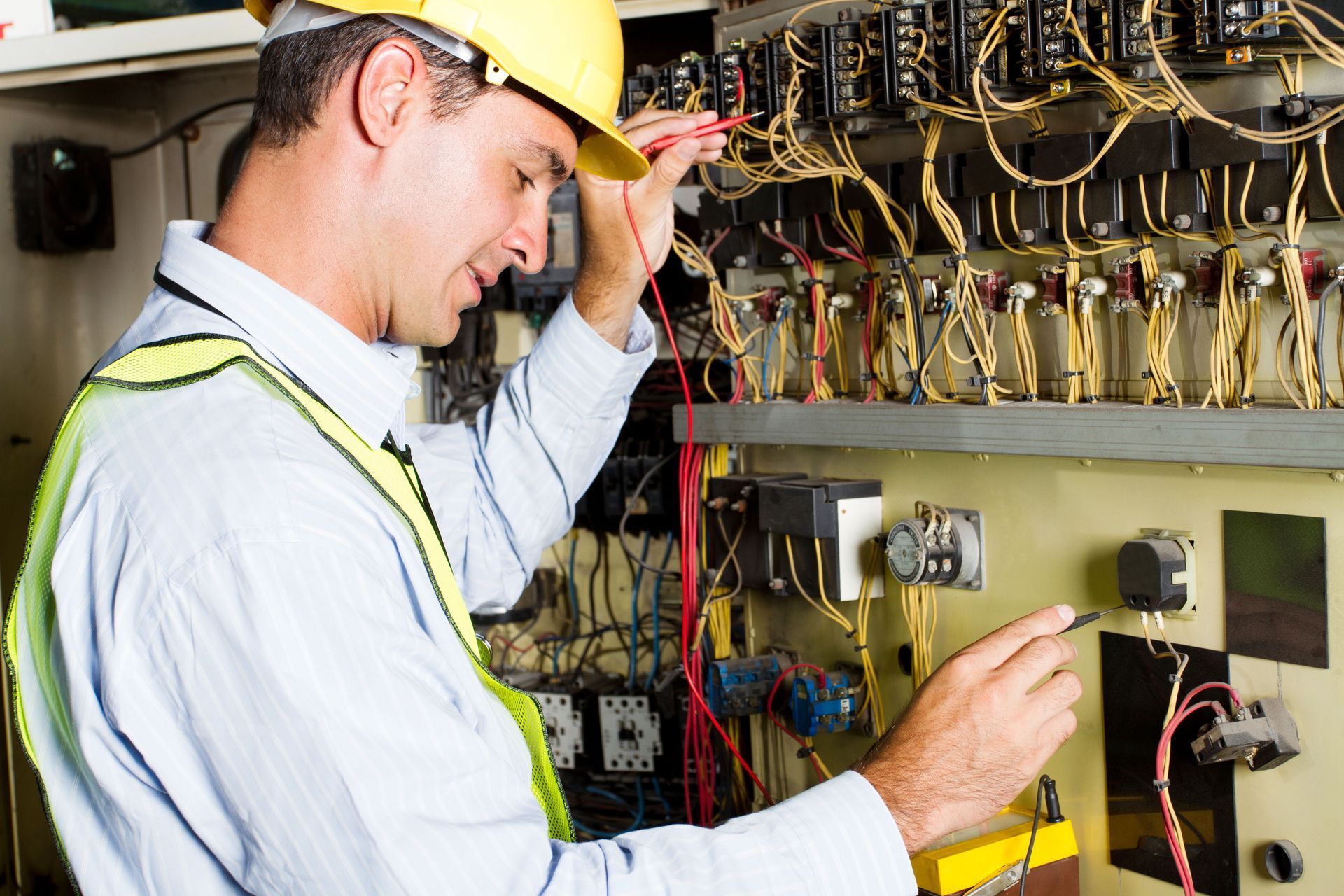
Modern electrical installations rely heavily on advanced tools and technology to improve accuracy and efficiency. Electricians use equipment such as multimeters, thermal imaging devices, and power analyzers to diagnose issues and verify system performance. These tools allow technicians to identify faults quickly while minimizing disruptions during installation and testing. Technology has also improved the precision of electrical planning and troubleshooting procedures. Professional electricians depend on specialized equipment to maintain high-quality workmanship and ensure reliable system performance. Updated tools also improve safety by reducing exposure to hazardous conditions during diagnostics and repairs.
Design software also assists with project planning by allowing electricians to create accurate layouts and identify potential problems before installation begins. Digital tools improve communication between contractors and streamline project coordination. Testing equipment further ensures systems operate correctly after installation and meet all safety requirements. The continued advancement of technology has significantly expanded the skill set required for modern electrical work.
Executing the Installation Process
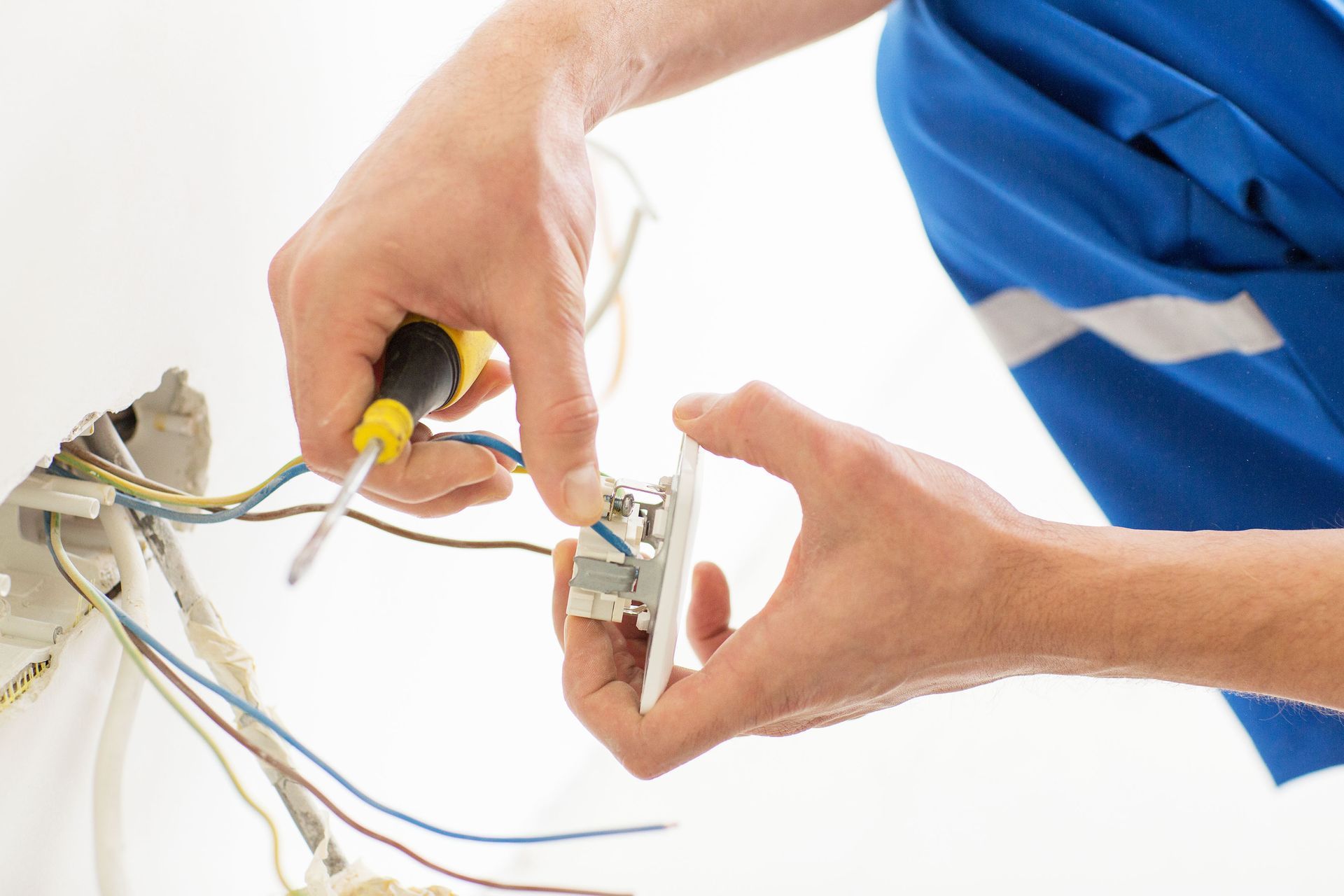
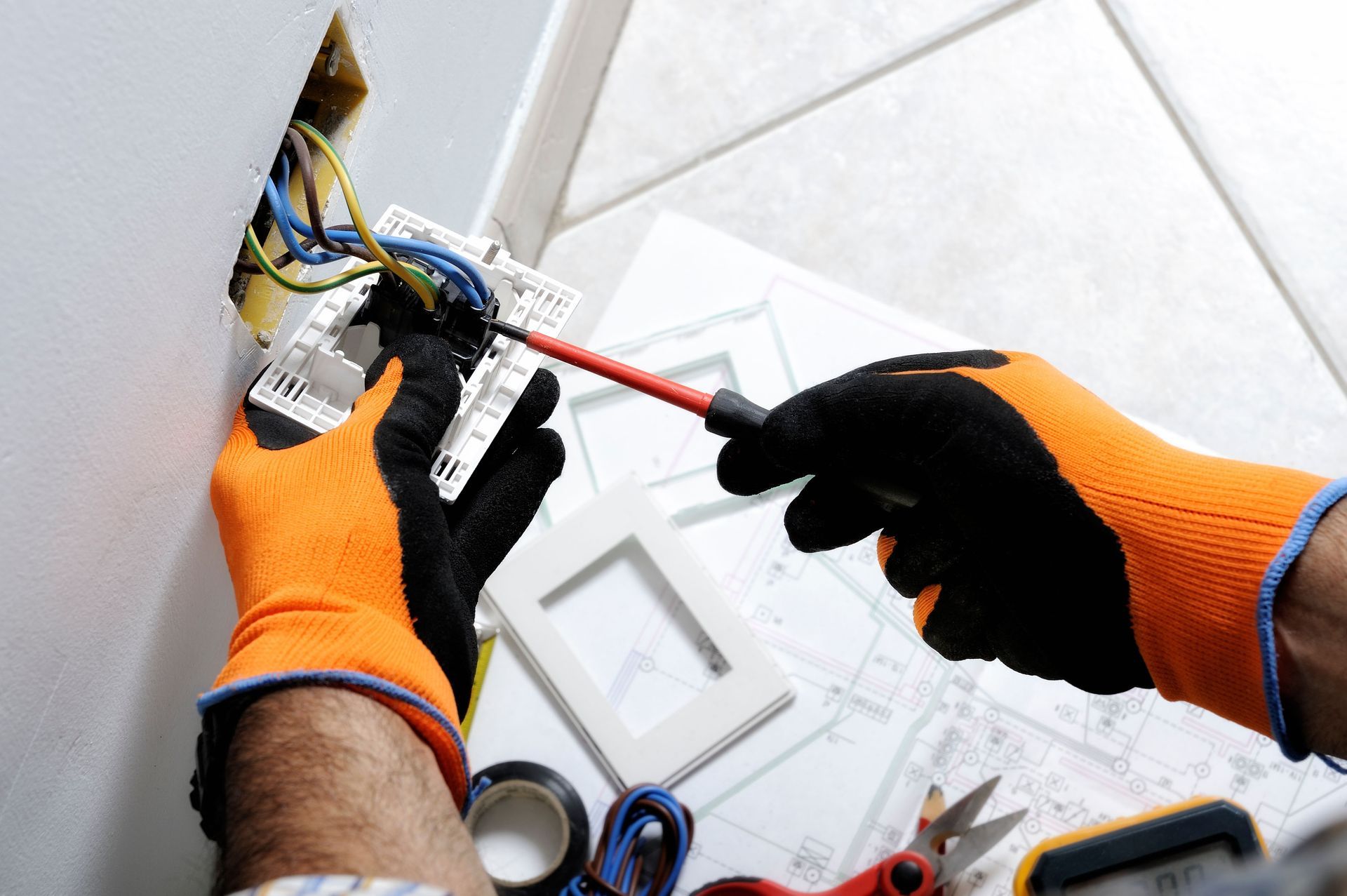
Executing a complex installation requires careful coordination, precision, and attention to detail throughout every phase of the project. Electricians follow step-by-step procedures to ensure wiring, fixtures, and system components are installed correctly and safely. Each connection must align with design specifications while meeting all applicable safety standards. Proper execution helps prevent future performance issues and reduces the likelihood of costly repairs or system failures. Professional electricians use their training and experience to maintain consistency and quality throughout the installation process. Coordination with other contractors also remains essential for avoiding conflicts between electrical systems and other building components. Strong communication helps ensure projects stay on schedule and progress smoothly. Careful execution ultimately contributes to safer and more dependable electrical systems.
Testing and quality assurance procedures are equally important once installation work is complete. Electricians conduct thorough inspections to verify that circuits, panels, and devices function properly under expected operating conditions. Voltage levels, insulation resistance, and grounding systems are all evaluated to confirm system integrity. Professional electricians also troubleshoot any issues identified during testing to ensure the final installation performs as intended. Post-installation reviews further allow electricians to make adjustments that improve efficiency and long-term reliability. This commitment to quality helps ensure clients receive safe and dependable electrical systems that meet their operational needs.
As electrical technologies continue evolving, the need for experienced professionals will remain essential for both residential and commercial projects. For dependable service and expertly managed installations, professional electricians at Blue State Electric LLC provide the knowledge and experience needed to handle complex electrical projects safely and efficiently. Contact Blue State Electric LLC today to learn how our team can support your next installation with reliable, high-quality electrical solutions.